
Designing for Dialogue: Communication Tools That Build Trust Across Diverse Communities
- Sep 9, 2025
- 3 min read
Why Communication Design Cannot Be Ignored
Organisations increasingly interact with diverse groups whose expectations, cultures, and lived realities differ sharply. Missteps in language, tone, or presentation can erode trust, while carefully designed communication builds bridges. This newsletter explores how design and messaging shape dialogue and why they remain central to meaningful engagement.
When Messages Miss the Mark
The challenge often lies not in what is said but in how it is conveyed. Overly technical reports, inaccessible formats, or one-way messaging prevent communities from participating in decisions that affect them. A well-intentioned initiative risks failure if the audience cannot relate to the message.
Lessons from the Field
Recent examples highlight the role of thoughtful design in bridging divides:
Kenya’s Digital Health Campaigns (2024)
The Kenyan government recognised that written pamphlets and technical health documents were not effective in reaching populations with low literacy. To address this, they redesigned communication on hypertension into simple visual infographics and story-based graphics. Instead of long texts, they used illustrations showing what hypertension is, how to check blood pressure, and when to seek medical help. This shift made the message accessible to everyone, regardless of reading ability. As a result, more people visited health clinics for screening and treatment demonstrating how design can directly influence behaviour.

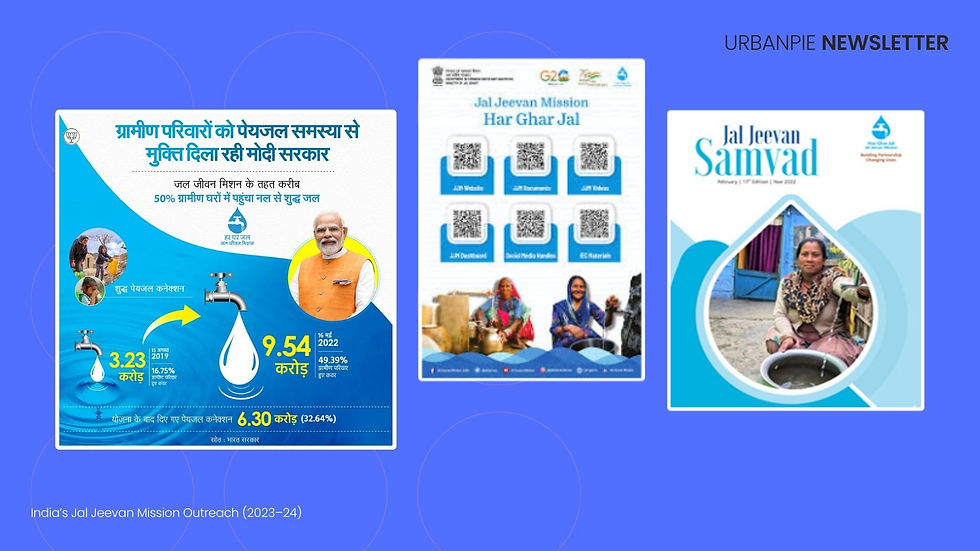
India’s Jal Jeevan Mission Outreach (2023–24)
The Jal Jeevan Mission aims to provide safe tap water to every household. One of the biggest hurdles was ensuring rural families understood issues like water quality testing and safe usage of new tap connections. To bridge this gap, outreach teams produced short videos in local dialects and used community radio programmes. These formats aligned with how rural households typically access information. By speaking in familiar languages and channels, the initiative built trust and encouraged communities to adopt safe practices, improving both acceptance and engagement with the programme.
Trust as the Real Outcome
Communities benefit through clearer understanding and greater participation. Organisations benefit through reduced resistance, stronger uptake of programmes, and long-term trust. In development projects, trust is not an accessory it is the currency that determines whether change is sustainable.
Shaping Tools That Invite Dialogue
Localise formats: Adapt content into local dialects, symbols, and visual cues.
Simplify narratives: Translate technical jargon into relatable stories.
Enable two-way exchange: Use tools like community radio, digital chatbots, or interactive dashboards to invite feedback.
Test and iterate: Pilot materials with small groups before scaling, ensuring relevance and clarity.
Key Takeaways
Communication is not neutral design choices decide whether dialogue is inclusive or exclusionary.
Trust emerges when organisations speak in formats communities understand and respect.
The most effective tools are those that invite response, not silence.
Moving from Information to Connection
Designing for dialogue requires moving beyond one-way communication. It calls for tools that respect cultural nuance, simplify complexity, and invite feedback. In doing so, organisations create not just informed communities but trusted partners in progress.
At Urban Innovation Lab, we help organisations craft communication strategies that do more than inform they connect. Reach out to explore how your next initiative can be designed for dialogue.
FAQ
Q1. Why is design important in community communication?
Because visual clarity and culturally relevant formats make information accessible, ensuring communities understand and respond.
Q2. How does two-way communication build trust?
It signals respect for community voices, making people active participants rather than passive recipients.
Q3. What role does technology play?
Digital tools like chatbots, WhatsApp campaigns, and interactive dashboards make feedback easier and more inclusive.
Q4. Can the same design work across regions?
No. Local contexts demand customised design — what works in an urban city may not resonate in rural or tribal areas.
Q5. How does UIL support this process?
By combining expertise in communication strategy, design, and development practice to create tools that resonate with diverse audiences.


Comments